

Reasons to Change Door Lock
There are many reasons to replace your the lock on your door, from increasing your home's security to re-decorating your entryway. You may need to change locks when your key becomes stuck or is difficult to turn.
The process of changing your lock is a simple project that even beginner DIY homeowners can complete. Gather the materials needed to begin.
Remove the old lock
Removing the lock that was in place before the door is a necessary step before installing the new lock. This is important if you suspect someone else may have access to the house. This is an excellent idea after you've moved into a brand new home, suffered a break-in or a roommate moved in. The process is simpler than you might think and can be completed in a few minutes.
Begin by removing the screws that secure the deadbolt faceplate to the frame of the door. You'll need to remove the screws on both sides of the door to remove the faceplate. This will allow you to see the hidden screws and provide you with the knowledge of how to proceed with the next steps.
Once you have removed the old faceplate, you will have to remove the bolt and strike plate. Remove the bolt from the door hole by using a screwdriver. If the bolt is rusted you may have to use a chisel and hit it. If you are using a chisel, you must be cautious not to scratch the door frame.
Make sure your new doorknob, deadbolt and lock will fit into the holes that are already present in the door before removing the old one. The majority of hardware stores and big box stores sell several different types of locks. They can assist you in finding the best one for your needs. If the lock you purchased does not match your door, take it back and ask for assistance.
Look for small depressions or notches in the handle and around the trim while you take off the lock. If you can find them, slip a straightened safety pin or a flat screwdriver into these to loosen the handle and expose the screws beneath.
After you have removed the screw from the handle, you can begin removing the knob. To do this, find the set screw located at the base of knob and loosen. Then, take the spindle off.
Install the new lock
It's a good idea change locks on doors throughout your home periodically, especially in the event of a burglary or you move into a new home with roommates. It's easy, affordable and effective to change the lock on your door. window lock replacements of people can do this by themselves using a screwdriver, a screwdriver, and some basic instructions. You may also wish to know how to change the lock's key to ensure that only you hold the key.
You'll need to purchase an additional lock that has the same keyway as your current lock. You will save money if you modify the lock yourself. The majority of locksmiths charge a fee for this. You can buy a new lock from a hardware store or on the internet. A standard deadbolt should fit on all doors however, you'll need to measure the size of your door to make sure that it will fit.
The lock you buy will typically come with a diagram that will show you how to install it on the door. You can use this as a guide for drilling the hole, which is much more convenient than measuring every time. If the template does not line up with your hole then you should take it back to the hardware store to purchase a different one.
When you install the new lock, ensure that it is placed on the right side of the door. You can confirm this by looking at the latch, which must be marked "up" or something similar. Make sure the latch is sitting correctly in the latch plate, then secure it using the screws provided.
When replacing knob locks, you should also pay attention to its handing. Some knob locks are right-handed. If you're not careful, you could install the knob on the wrong side of the door, which would hinder you from locking it from inside or outside.
When you're done, you should test the new lock to ensure it works. You should be in a position to lock the door from both the inside as well as the outside, as well as unlock it with keys. If you're not satisfied with the result, you can always call a professional locksmith to fix the issue.
Test the lock
A door lock that isn't able to be opened can be frustrating but it could also put your family's security at risk. It's not difficult to fix the majority of issues with door locks by doing a bit of troubleshooting and lubrication. Check that the key is properly cut and the lock assembly is not loose or dirty. If this doesn't resolve the problem, try lubricating your door lock actuator with graphite powdered with powder.
Ensure that the doorlock switch, wiring harnesses and actuator connectors all function correctly. Check the wiring diagram or manual to determine the color code and the function of each wire of the door lock switch. Use a digital meter, or test light to verify that the actuator is receiving power and ground when the switches are turned on. If you see voltage switches that toggle with each other it means that the switches are in good working order and the actuator is likely to need replacing.
If the switch seems to work however the actuator does not move when you turn the knob, it could be an issue with the actuator itself. The actuator cylinder is equipped with pins that are spring loaded. They prevent the cylinder from moving until the key is put in, which then pushes them up to meet the height of the key at the location. This causes the cylinder eventually to rotate, opening the lock body and allowing the handle latch.
If your door lock actuator is still faulty, you can remove the switch and wires from the actuator with small screwdrivers to unlock the locking bolt and separate the plastic cover that houses the electrical connector. Then, disconnect the door lock actuator and let it drop down. Then, you should be able identify and remove the two 10mm bolts holding the actuator in place. Once the actuator has been removed, you can disconnect the black electrical connector.
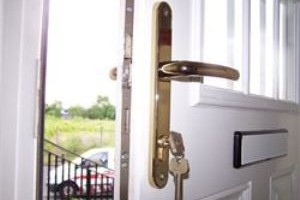
Replace the key
If your deadbolt that is keyed or door knob is not working, you will have to rekey it or replace it. It's not too difficult and will save you money. However, before you do this, it's recommended to get a locksmith to examine the locks and check for any problems. This will give you peace of peace of mind knowing that your home is secure and safe.
To begin, remove the exterior faceplate from the doorknob or deadbolt. There may be screws that are holding it in place, if you need to remove them, use a screwdriver to loosen them and pull the faceplate off. Then utilize a flat head screwdriver to take off the interior faceplate. After removing the faceplate, you can take the bolt and screw from the lock cylinder.
A locksmith can determine whether you need to replace or rekey your lock. They can also advise you about the best security options for your home. They can also make necessary modifications to your door and frame for an ideal fit. They will also offer the guarantee on their work.
If you choose to rekey the lock you must first purchase an additional key for it. It's important to use the right key inside the lock. A key that is not the right size can damage the internal mechanism of a lock and hinder it from functioning. Insert the key into the lock to check its size. If the key fits perfectly against the plug, then it is the right size. If the pins stick out from the top of the plug, they're too long.
There are many reasons why you may want to change your door lock, including:
Rekeying a lock can be an option that is less expensive than replacing it if you are moving into the home of a previous owner or if keys have been lost. It's also less invasive than a complete replacement. Rekeying an existing lock might not be possible in certain circumstances. If the lock has been damaged or repeatedly jammed, as in, it may be time to replace it.